Call for Proposals, QPJ Inaugural Double Special Issue: Scatological Dramaturgies - Pissing/Shitting on Stage
Call for Proposals – QPJ: A Journal of Queer Performance Research
Scatological Dramaturgies: Pissing/Shitting on Stage
250 word proposals due 10 Dec 2026
For its inaugural double special issue, QPJ calls for critical and creative engagement with queer performances that use piss and/or shit as material, action, theme and/or subject. We begin with these materials as a commitment to the filthy, debased, rotten and perverse, which we understand as a material commitment to practices of care, tenderness and longing.
The queer body may be always already in excess of the paradigms that attempt to fix and contain it. Queer performance makers have enacted literalisations of queer excess through bodily abjection on stage and in varying site-specific performance contexts. This has included sometimes real, sometimes exorbitantly fake, excretion. These queer performances have negotiated what we are proposing as ‘scatological dramaturgies,’ encompassing the composition of acts as well as their effects and affects: how they are timed, rehearsed, faked, licensed, cleaned up, received, and how it feels as a performer to piss on demand or control a sphincter until a moment arrives. In this proposition, we build on resurgences of the grotesque, alongside accounts of the queer real and materiality in performance art (Hart 1995; Johnson 2015; Jones 2021; Rowe 2025), transfeminist and queer-feminist work on leaky bodies and radical vulnerability (Butler 1993; Shildrick 2022; Harradine 2000; Bacon 2025), scholarship on the colonial and caste politics of sanitation and the racialised labour of cleaning up (Vergès 2024), and crip-centered work on unruly bodies (McRuer 2006; Kuppers 2003; Chen 2023; Kim 2025).
Scatological dramaturgies resist, satirise, flirt with, and unravel the hygienic regimes they are made to answer to, regimes in which queer bodies have repeatedly been figured as contaminating, polluting and taboo (Douglas 1966; Gunn 2006). The affective nexus they conjure for an audience is correspondingly dense, holding entanglements of shock, disgust, awe, devotion, pity, softness, shame, hilarity, terror, humiliation, brutality, delight and relief. There is an immediacy in sensational deployment which resists a distancing sanitisation, reaching co-present audiences through various combinations of sight, smell, touch, sound – and even taste. Following madison moore’s (2026) writing on queer nightlife, we might approach this immediacy of shit/piss in performance as analog intimacies: ‘intimacies between people and other sensations that are not shaped by algorithms or scrolling on screens’ (8). In our current moment of end times fascism (Klein and Taylor 2026) and ever-so-late capitalism, it is difficult to look around without concluding that so much has gone to shit. But these bodily materials may yet provide sites of resistance, reassurance, symbolism or alchemy: a togetherness conjured from waste, an ecological tether to the earth.
We propose pissing and shitting on stage as two interconnected yet distinct excretions. These are all mixed together through the ideologies of toilets, taboos, and the overspill of containers built around them, through often uncontrollable or unruly processes of protest, disability, ageing, sex, childbirth, as well as toilet humour. Piss and shit in performance share concerns with the politics of the body, the complexities of queer intimacies, aesthetics of care and access (such as who gets to piss and shit, when and where). They can be considered democratising forces, a radical commonality between living bodies, while also evoking discomfort, disgust and dismay. Their variation and distinctiveness as materials are also evident in performance practice: in the different modes of production for performers, attention from venues and reactions from audiences.
(Issue) Number 1 runs with piss, soaking through, pissing around, pissing off, taking the piss – extending to great torrents of unapologetic urination and impossible fantasies of clean water. (Issue) Number 2 takes up shit, coprophilic style, practices of filth, making shit happen (Parslow and Patey-Ferguson 2026), and the ways that ‘through the anus, the traditional sex/gender representation shits itself’ (Preciado, 2018: 30). Each point to an expansive array of themes and readings, and mixtures of the two are also welcome, blurring boundaries between the Issues. Across the volume, we seek to consider the affective impact of these acts in theatre, performance, Live Art, dance, cabaret, installation and other queer artistic contexts, and the transformative potential of performing and bearing witness to them.
In an article on anal douching, Michael Tristano Jr. (2024) critiques processes of decontamination that attempt to clean up, sterilise and legitimate queer lives and practices before the cis-heteronormative patriarchal academy, following Joshua Gunn's ShitText, which argues that 'scholarly constipation produces pristine scholarship but sometimes lacks a sense of humanity' (2006: 80). Heeding these warnings, we seek responses that engage critically, in subject and form, with the politics queer performances enact and the worlds they imagine beyond their representation.
Responses should engage closely and critically with case studies from queer performance practices. Topics may include, but are not limited to:
● The politics of pleasure and the politics of disgust
● Ecocatastrophe, sewerage, sewage, and the queer body in performance
● Incongruous collisions between classical representation and staged abjection
● Beyond shock value: audience reactions and affective transcendence
● Queer desire and the erotics (and risks) of shit
● Powers of Horror: Revisiting Kristevan abjection beyond psychoanalysis
● The necessity for care demanded by the shitting body
● Analog intimacies, co-presence and immediate sensation: touch, smell, sound
● Body materiality, porosity and permeability; incontinence, the accidental and the uncontrollable
● Obscenity, legislation, permission, protest and licensing laws
● Performance practices: pissing on demand, control of the sphincter, elaborate tricks
● Scatological structures in performance-making and/or their scenographic affects
● Hygiene, douching, sterilisation, purity and danger
● Shit and piss as method in queer performance (and queer performance research)
We invite proposals for:
● Research Articles (approx. 6,000-8,000 words) [peer reviewed]
● Creative Interventions/Artistic works (approx. 1,000-5,000 words)
● Interviews (approx. 2,000-5,000 words)
● Performance/Book/Event/Festival/Exhibition Reviews (approx. 1,000-2,500 words)
● Other modes of contribution, or combinations of the above, are welcomed for discussion with the editors of this special issue.
Timeline:
Notice of acceptance: Dec 18 2026
Articles due: March 22 2027
The online and print publication dates for this special issue will be late 2027.
Please submit abstracts of approximately 250 words, and 150 word (approx) biography to the editors: Dr Charlotte Farrell (charlotte.farrell@unsw.edu.au), Dr Jo Hauge (jo.m.hauge@gmail.com), Dr Phoebe Patey-Ferguson (Phoebe.Patey-Ferguson@bruford.ac.uk).
References:
Bacon, T.J. (2025) ‘The fluidity or transmutability of borders held in the lived body of trans and non-binary bodies’, in Bacon, T.J. and Coon, C. (eds) The Phenomenology of Blood in Performance Art. London: Routledge.
Butler, J. (1993) Bodies That Matter: On the Discursive Limits of ‘Sex’. New York: Routledge.
Chen, M.Y. (2023) Intoxicated: Race, Disability, and Chemical Intimacy across Empire. Durham, NC: Duke University Press.
Douglas, M. (1966) Purity and Danger: An Analysis of Concepts of Pollution and Taboo. London: Routledge & Kegan Paul.
Gunn, J. (2006) ‘Shit-text: toward a new coprophilic style’, Text and Performance Quarterly, 26(1), pp. 79–97.
Harradine, D. (2000) ‘Abject identities and fluid performances: theorizing the leaking body’, Contemporary Theatre Review, 10(3), pp. 69–85.
Hart, L. (1995) ‘Blood, piss, and tears: the queer real’, Textual Practice, 9, pp. 55–66.
Johnson, D. (ed.) (2013) Pleading in the Blood: The Art and Performances of Ron Athey. London: Live Art Development Agency; Bristol: Intellect.
Jones, A. (2021) In Between Subjects: A Critical Genealogy of Queer Performance. London: Routledge.
Kim, J.B. (2025) Care at the End of the World: Dreaming of Infrastructure in Crip-of-Color Writing. Durham, NC: Duke University Press.
Klein, N. and Taylor, A. (2026) End Times Fascism and the Fight for the Living World. London: Allen Lane.
Kristeva, J. (1982) Powers of Horror: An Essay on Abjection. Translated by L.S. Roudiez. New York: Columbia University Press.
Kuppers, P. (2003) Disability and Contemporary Performance: Bodies on Edge. New York: Routledge.
McRuer, R. (2006) Crip Theory: Cultural Signs of Queerness and Disability. New York: New York University Press.
moore, m. (2026) ‘Queer nightlife and other analog intimacies’, TDR: The Drama Review, 70(2), pp. 5–19.
Parslow, J. and Patey-Ferguson, P. (2026) ‘Making shit happen: queer utility in nightlife’, TDR: The Drama Review, 70(2), pp. 144–162.
Preciado, P.B. (2018) Countersexual Manifesto. Translated by K.G. Dunn. New York: Columbia University Press.
Rowe, D.D. (2025) ‘Performing abject: reclaiming the body and resignifying the abject in performance’, in Kratzer, J.M.W. and Rowe, D.D. (eds) The Cruel and Reparative Possibilities of Failure. Lanham, MD: Lexington Books.
Shildrick, M. (2022) Visceral Prostheses: Somatechnics and Posthuman Embodiment. London: Bloomsbury Academic.
Tristano Jr, M. (2024) ‘Shitsex: recontaminating queer sex and theory’, Text and Performance Quarterly, 44(2), pp. 101–116.
Vergès, F. (2024) Making the World Clean: Wasted Lives, Wasted Environment, and Racial Capitalism. London: Goldsmiths Press.
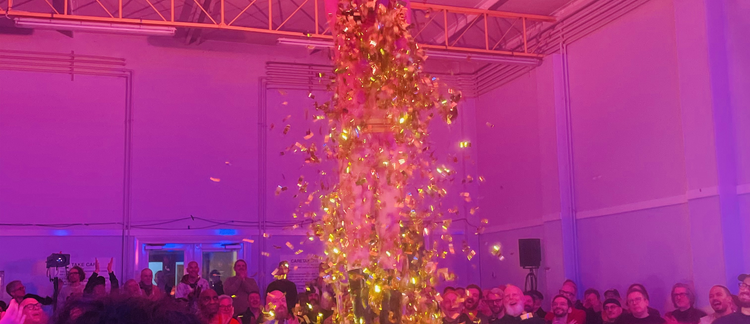
Display image: Neil Bartlett, Golden Shower at Duckie's Rat Park, London 2025. Photo by Phoebe Patey-Ferguson.